
What should you do first with a box of old toys?
Carry it somewhere with good light and a clear table, then create a place in samla.ai called something like Attic / Toy box. Unpack in layers and photograph each toy as it comes out, front and back. Tonight you are making a list, so the cleaning and sorting can wait.
Group the obvious sets as you go: a doll with her outfits, a figure with its weapons and stand, a train with its track. Loose bits you can't place yet go in one bowl and get photographed together, because the missing sword usually turns up three layers down.
Which toys are worth a closer look?
The ones that still have their accessories, their box or a maker's name stamped somewhere. Turn every toy over before you photograph it. Feet, backs and battery covers often carry a maker's mark, a year or a country, and that small print is exactly what helps samla.ai identify the right toy.
- Action figures: complete accessories, working joints and the original card or box if you have it.
- Dolls: original clothes and shoes, the hair in its first style, and a maker's mark on the neck or back.
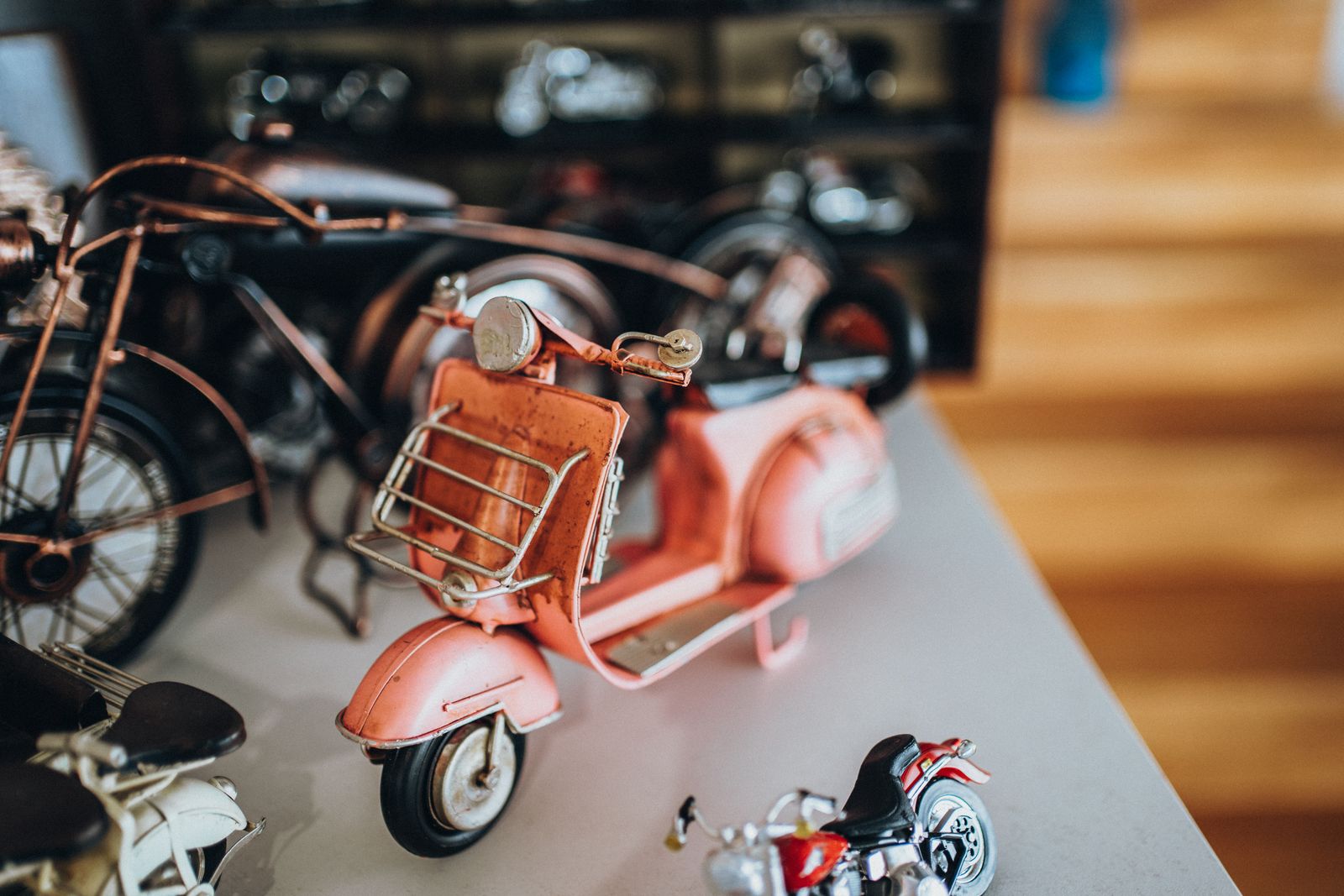
- Tin and die-cast cars: paint condition, a working wind-up or friction motor, and the box if it survived.
- Plush toys and teddy bears: tags, labels and anything that gives away the maker.
- Anything still sealed: photograph the seal and every side of the box before you even think about opening it.
How do you find out what old toys are worth?
Open Value tracker on the item page for the toys that look promising. It keeps each value check together with the comparable listings behind it, so you can see how a figure with all its accessories compares to a loose one before you pick a price. Run another check later and the history sits right next to the first one.
Most of the box will be toys whose value lives in the memories. That is a perfectly good result, and it means you can skip tracking and go straight to the keep or give pile.
How do you decide what to keep, give or sell?
Make the calls from the list, with the box already back on the shelf. Keep the toys someone in the family will actually play with or put on display. Give the ones a younger cousin, a friend or a charity shop can use. Sell the pieces where Value tracker shows a price worth the effort of a listing, and save the rest of the decisions for a second evening if you need one.
- Keep: give them a proper place, like Kids' room / Shelf, so they stop living in the attic by default.
- Give: share the item page with a sibling or friend first, so nobody's favorite leaves by surprise.
- Sell: publish the listing to eBay straight from the item, with the photos you already took.
- Gone: mark each toy departed the day it leaves the house, so the list stays honest.
FAQ
Should I clean old toys before I photograph them?
Photograph them first, just as you found them, then clean gently if you want to. A quick dust is fine, while harsh scrubbing can damage paint, decals and old fabric.
Do I need to catalog every single toy?
Catalog the toys you might keep, give or sell. A bag of mixed small figures can be one item with a group photo, and a figure with its full set of accessories deserves its own entry.
What if a toy is missing pieces?
Catalog it anyway and write down what is missing. Parts sometimes turn up in another box, and an honest description makes a sale smoother if you list it.
Where do I sell the toys I decide to let go?
When you are ready, publish the listing to eBay from the item page. The photos and details are already there, so listing is mostly a final read-through.