
Why does a missing card change the price so hard?
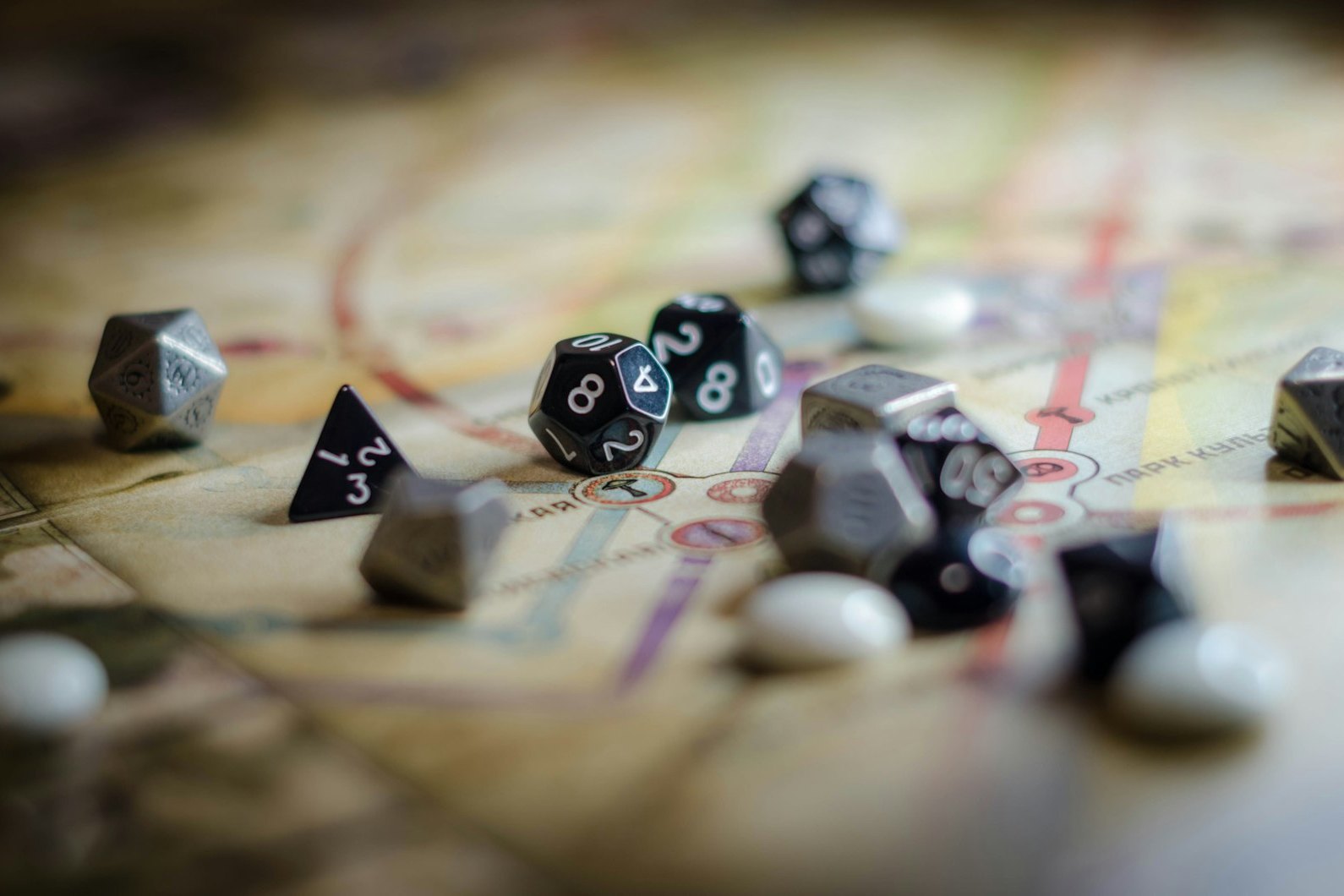
Because most of the value lives in being able to play the original set, or in never having opened it. A punched copy with every token in the insert sells like a used game. The same title with a vanished role card sells like a problem. Sealed shrink is a third market again.
What should you photograph for each game?
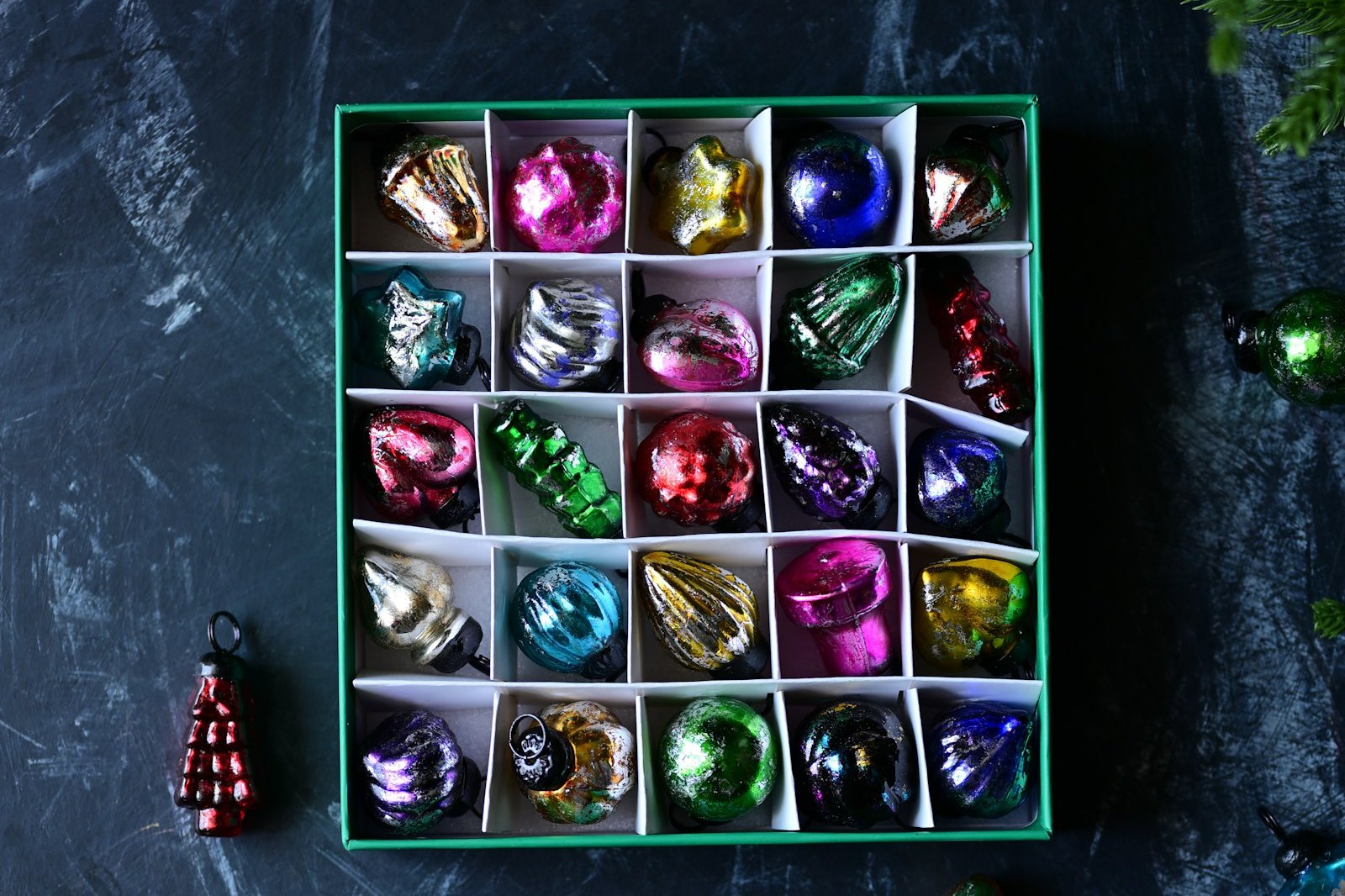
The lid, the bottom if it carries a printing or language code, then the insert with the bits in their wells. For a sealed copy, the shrink and the corners are the whole story - do not open it to "check." For an opened copy, the punchboard and the spare cards are the proof.
- Note sealed, opened-complete, or opened-incomplete in the item notes.
- Count the cards or tokens the rulebook says should be there, once, on catalog day.
- Photograph sun-faded lids and crushed corners. Condition is part of completeness.
- Keep expansions on their own items, linked by a shared place: Hall closet / Game shelf.
If you later sell, the catalog is already the listing: photos, edition, the completeness note. Publishing to a marketplace is Pro and Ultra, and which marketplaces you see depends on your country.
FAQ
Should I open a sealed game to catalog it better?
No. Photograph the shrink, the corners and the barcode. Opening it turns a sealed copy into an opened one.
What if pieces are in a communal bits box?
Photograph the box as it lives, then add a note that tokens are shared. The catalog should describe reality, not a tidy insert you no longer have.
Does the estimate assume the game is complete?
Treat it as a starting point from comparable listings. Your completeness note is what makes the estimate honest for this copy.