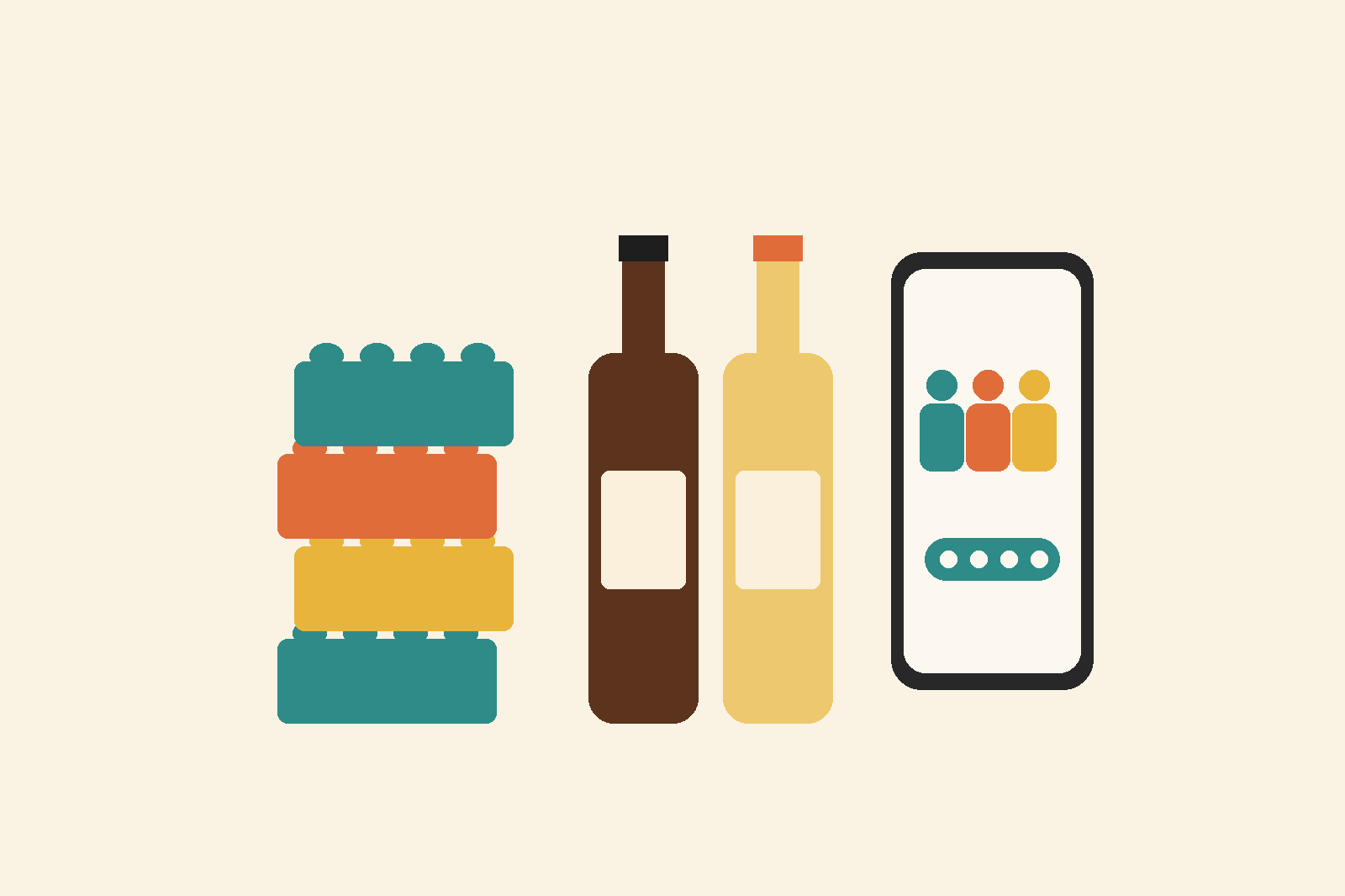

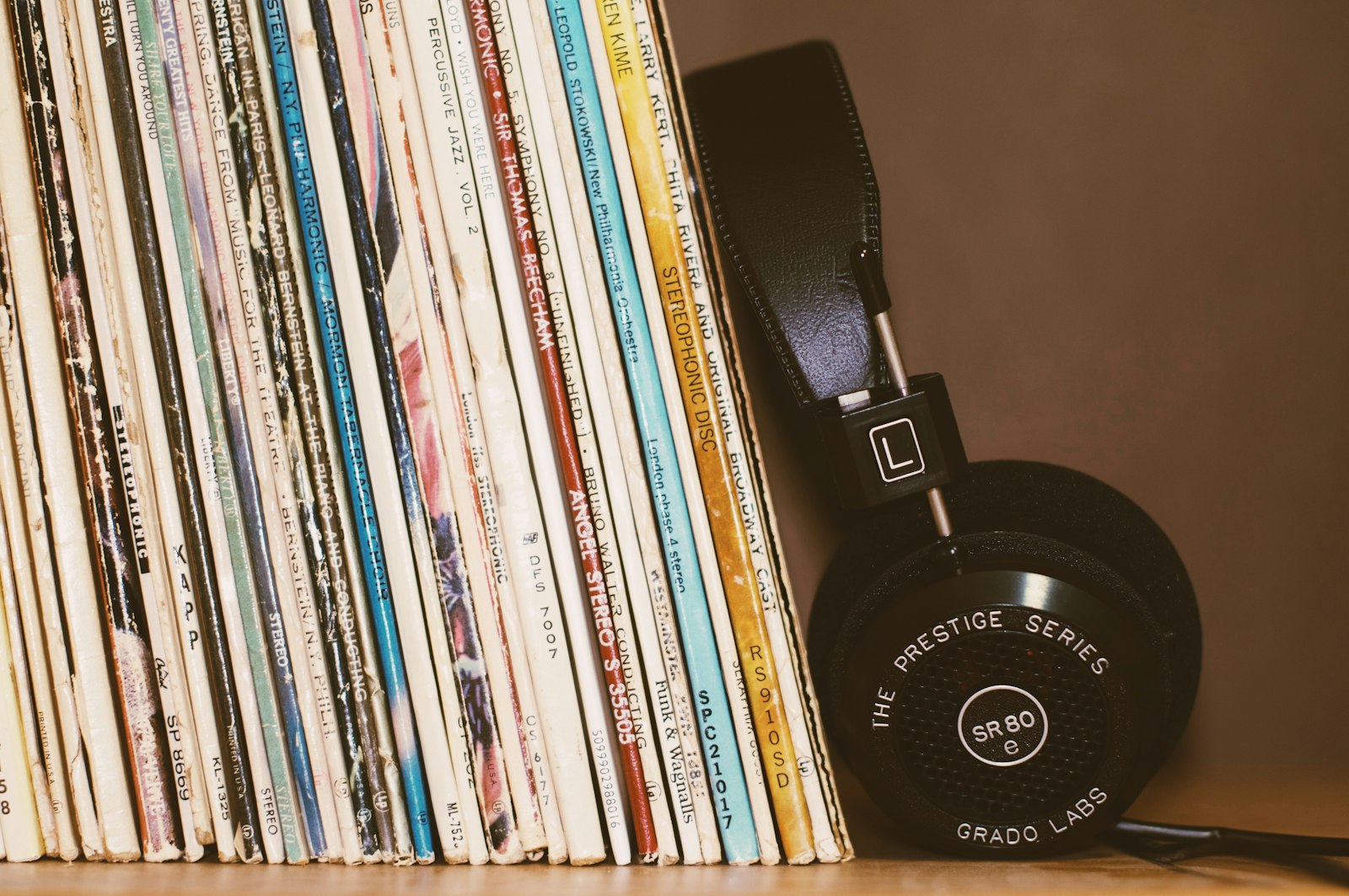
You know there's something good in there. You're just not sure what, or how much, or whether you already own a second copy of it somewhere else.
That feeling is where samla.ai lives. So who actually uses it? Let's meet them.
Who is the typical samla.ai user?
The person we picture most often is somewhere between their late twenties and mid-fifties, and they collect. Not in a museum way. In a "this shelf got out of hand" way.
They might have:
- A vinyl collection that started with a few of their parents' records and now fills a whole wall
- Books they genuinely love, plus a few first editions they're quietly proud of
- Trading cards from childhood that came back into their life, and then multiplied
- Vintage gear: synths, guitars, hi-fi, cameras, the kind of thing that looks better with age
Often it's more than 50 items. Often it's a lot more. And the collection isn't one thing. Plenty of people have records and cameras and a drawer of watches, which is exactly why samla.ai covers 34 categories instead of just one.
What ties them together is a mix of two feelings. The first is attachment: these objects carry memories, and they're fun to own. The second is a practical little voice that says "some of this is probably worth something, and I should know what." Most collectors feel both at once, and there's nothing contradictory about that.
What's the problem, exactly?
Nobody needs software to enjoy a record. The trouble starts when you try to keep track.
You can't remember what you own, or where it is. Is that LP in the crate, on the shelf, or still at your sister's place? Did you already buy this card, or does it just look familiar?
Spreadsheets are tedious. Everyone starts one. Almost everyone abandons it long before the last shelf. Typing in catalogue numbers, conditions and pressings by hand is nobody's idea of a fun evening.
Every collection type wants its own tool. One app for records, another for books, a notebook for the cameras. Your stuff doesn't live in separate apps, so why should the list?
Listing something for sale takes forever. Even when you decide to let something go, writing a good listing, finding the right details and picking the right marketplace eats an entire Sunday.
And who else uses samla.ai?
The second group isn't necessarily "collectors" at all. They're households with a very practical reason to know what's in the house.
- People preparing a move. Moving is the one time you physically hold everything you own. It's the perfect moment to make a list, and the worst moment to do it by hand.
- People documenting for insurance. If something happens, a clear record of what you had, with photos and where it was kept, is worth a lot of peace of mind.
- Families handling an estate. Going through a parent's or grandparent's belongings is emotional and overwhelming. Knowing what's there, and what might matter, makes it a little lighter.
That last one is personal for us. samla.ai started when Johan, our founder, was sorting through his dad's things. Boxes of objects, each with a story, and no easy way to figure out what they were, what they were worth, or what to do with them. The idea was simple: what if you could be a treasure hunter in your own home?
How does a photo become a useful record?
Here's the part you can try tonight. Grab one object, the one you're most curious about, and your phone.
- Take a photo. That's the whole input. No forms, no catalogue numbers.
- samla.ai identifies it. The record, the camera model, the card, the book. You get a proper description instead of "black camera, kind of old".
- Add it to your Value tracker. See what your item is worth and follow it over time. Your collection stops being a vague guess and becomes something you can actually look at.
- Give it a place. Put it in a room, on a shelf, in that box from the move. Your room inventory means the next time you wonder "where is it?", you can just check.
- List it when you're ready. If you decide to sell, samla.ai helps you get it out to marketplaces like Discogs, eBay and Reverb Musical Instruments & Gear, without starting the listing from scratch.
Do that for one object and you'll want to do the next one. Do it for a shelf and you'll know more about your stuff than you have in years. And because samla.ai speaks 12 languages, it works the same whether your records came from Stockholm, São Paulo or Sheffield.
So, what does the typical user really look like?
Honestly? A little bit like you, probably. Someone with a shelf, a crate or a box that holds more stories than they've had time to write down. Someone who enjoys owning interesting things, and would like to enjoy it without the low-level worry of not knowing what's there.
Some of them are deep in their hobby and know every pressing. Some just inherited a garage full of mystery. Most are somewhere in between: curious, a bit sentimental, and secretly hoping there's a gem in the next box.
So go open it. Take a photo. Look what you've got.
FAQ
Do I need a big collection to use samla.ai?
No. Start with one object. Plenty of people begin with a single inherited camera or a handful of records and grow from there.
What kinds of things can I add?
samla.ai covers 34 categories, from vinyl and books to trading cards, instruments and vintage gear. Mixed collections are welcome.
Can I use it for a home inventory, not just collectables?
Yes. Add items room by room, so you have a clear record for a move, for insurance, or for sorting out a family estate.
Where can I sell my things?
When you're ready to let something go, samla.ai helps you list on marketplaces like Discogs, eBay and Reverb Musical Instruments & Gear.