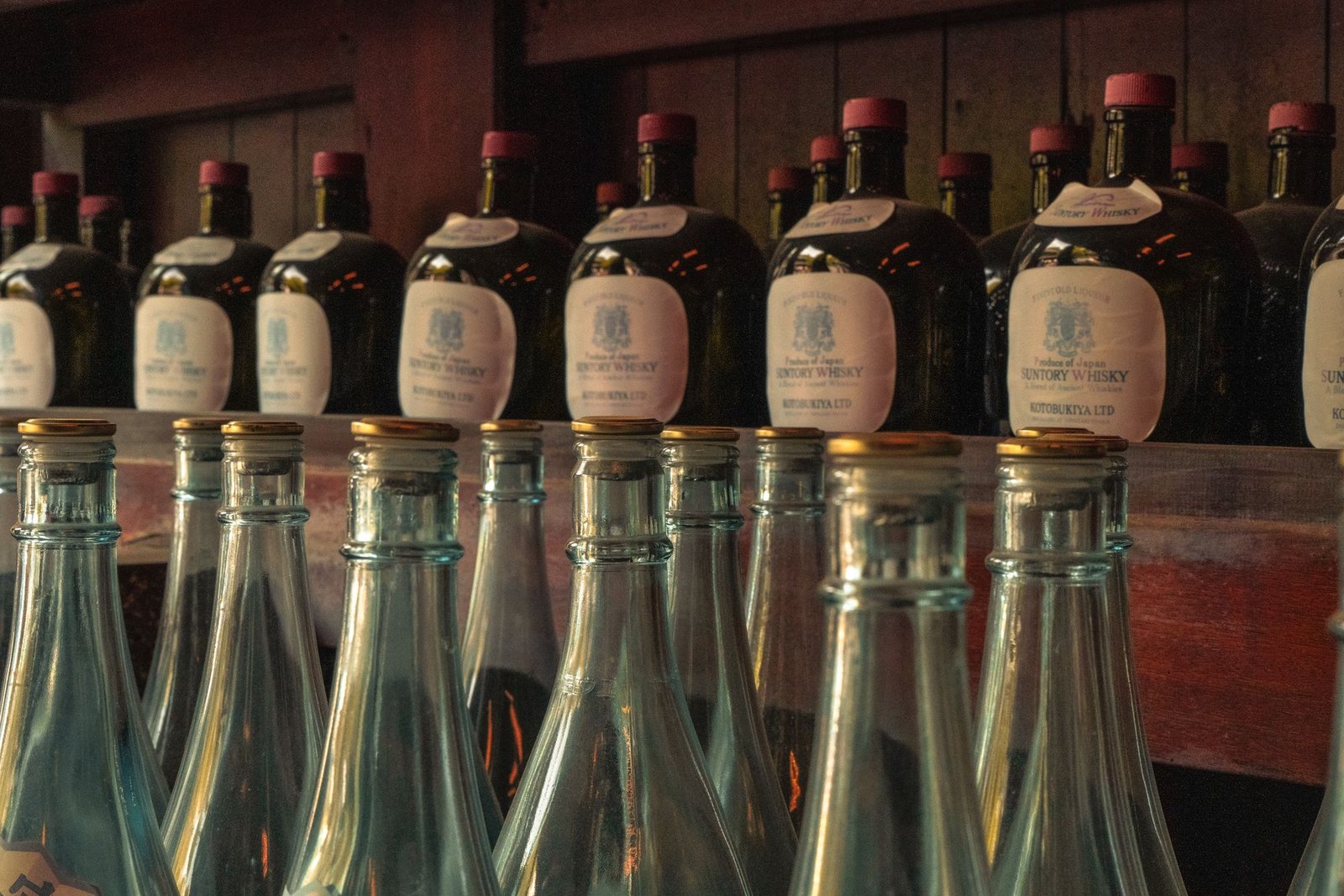
Read the label while the bottle is out
Photograph the front and back labels in good light. Check the suggested details against the bottle: producer or distillery, bottling name, stated age, alcohol strength and volume. Add a batch or bottling date when one is printed.
The exact release matters when you compare bottles. Two whiskies with similar labels may differ in strength, size or bottling, so keep a clear picture of the small print.
Make the record useful for an ordinary evening
Note whether the bottle is sealed or open and roughly how much remains. Update the note after you use it. A photograph from last Christmas cannot tell you what is left today.
- Save the location, including a shelf if bottles live in more than one place.
- Record whether you still have the box or tube.
- Add who gave it to you, or where you found it.
- Write a tasting note you will understand later: what you enjoyed and what you would serve it with.
The story can be as useful as the label. “From our trip to Skye” may be how everyone in the house knows the bottle.
Keep an eye on a special bottle
If you are curious about a limited release or an older gift, Value tracker on Pro and Ultra keeps a history of estimates. Check that the comparisons match the bottling, size and condition. An opened bottle needs to be recorded as opened when you look at results.
There is room in the notes for your plans, too. A birthday, an anniversary or a dinner with the person who gave it to you is a perfectly good reason to keep a bottle in view.
FAQ
Can I keep wine in the same catalog?
Yes. Wine and spirits have their own categories, so you can keep their relevant details together with the rest of your collection.
What happens when a bottle is finished?
Record its departure if it leaves the collection. If you keep the empty bottle for its label or its story, make that clear in the record.
Choose a few bottles you would like to remember better. By the time they go back, the cabinet will be a little easier to use.