
Start with the whole bag
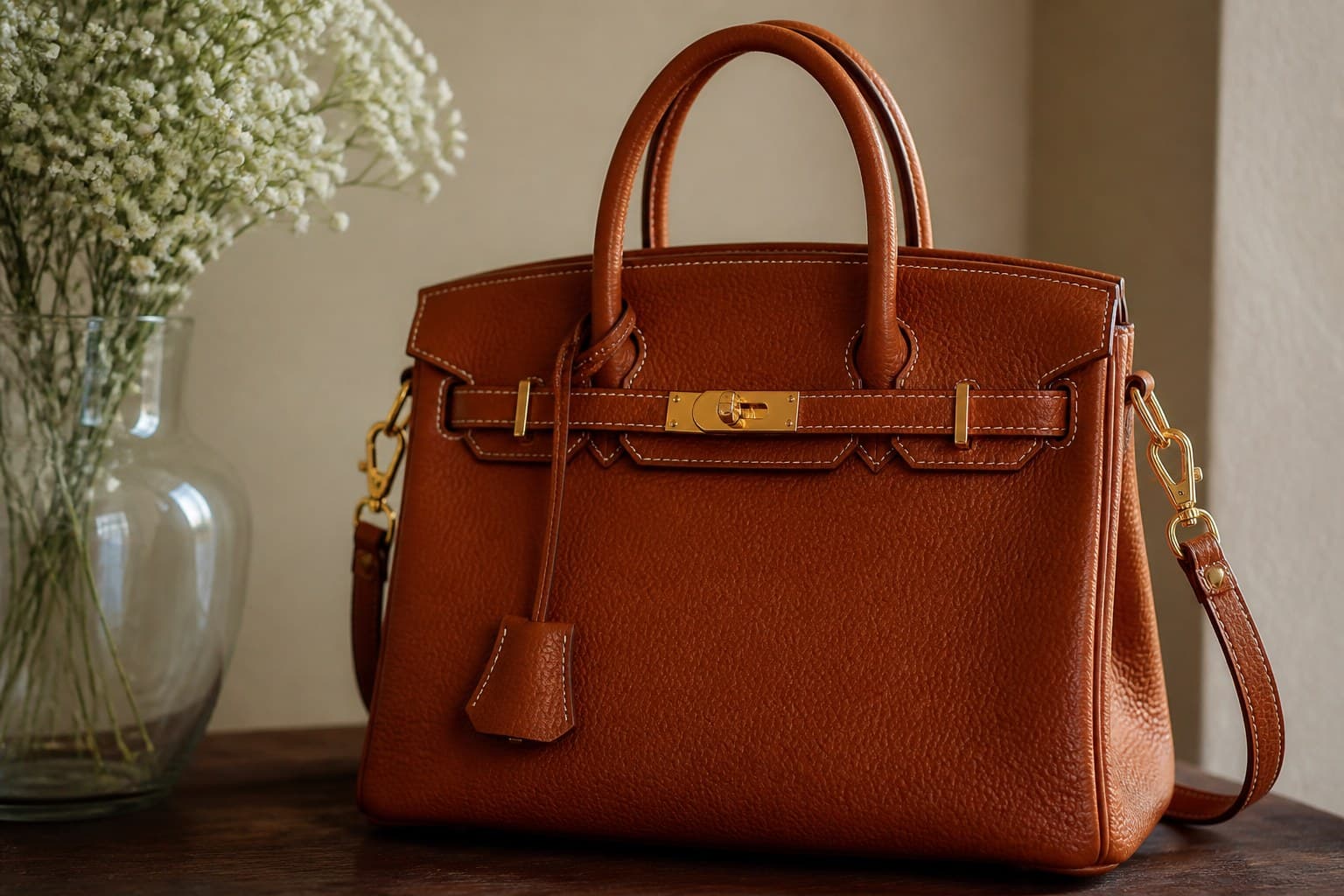
Confirm the claimed brand, model, size and production period. Compare with reliable references for that particular version. A different year or size may legitimately have different construction, so a photograph of a similar bag is not always the right comparison.
- Photograph the shape, base, handles, lining and closures.
- Record the brand label, lettering, visible codes and stamps.
- Take close-ups of stitching, edges, hardware and any repairs.
- Keep receipts, service records and the seller’s account of its history.
Treat individual signs as clues
Marking systems vary by brand and era. A code can be copied, a receipt can be unrelated, and genuine bags can have wear or repairs. Equally, neat stitching does not prove authenticity. Look at the evidence together and note what remains unexplained.
Know when to bring in a specialist
For an authenticity conclusion, use a qualified service with experience of the brand and model. Ask what they inspect and what their assessment covers. A physical examination may reveal details that photos cannot.
Use samla.ai to keep the photos, identifying details and research in one place. Review any suggested identification and attach your own notes about its source. Keeping the evidence together makes a later expert review, purchase decision or sale easier to explain.
Can a photo identify a bag and authenticate it?
Identification and authentication are different tasks. Photos can help identify a model and document clues, but they do not by themselves establish authenticity.
Does a date code prove a bag is genuine?
No. Codes are one detail to investigate alongside materials, construction and provenance.