
Start with the model, not the brand
The same house makes bags that sit in different markets. A Classic Flap, a Speedy and a garden-variety tote share a logo and almost nothing else. Size matters too: a Birkin 25 and a Birkin 40 are priced as two products. Before you look up any number, name the exact model and size in your hands.
- Brand, model and size - written the way collectors search (Classic Flap medium, Speedy 30, Kelly 28).
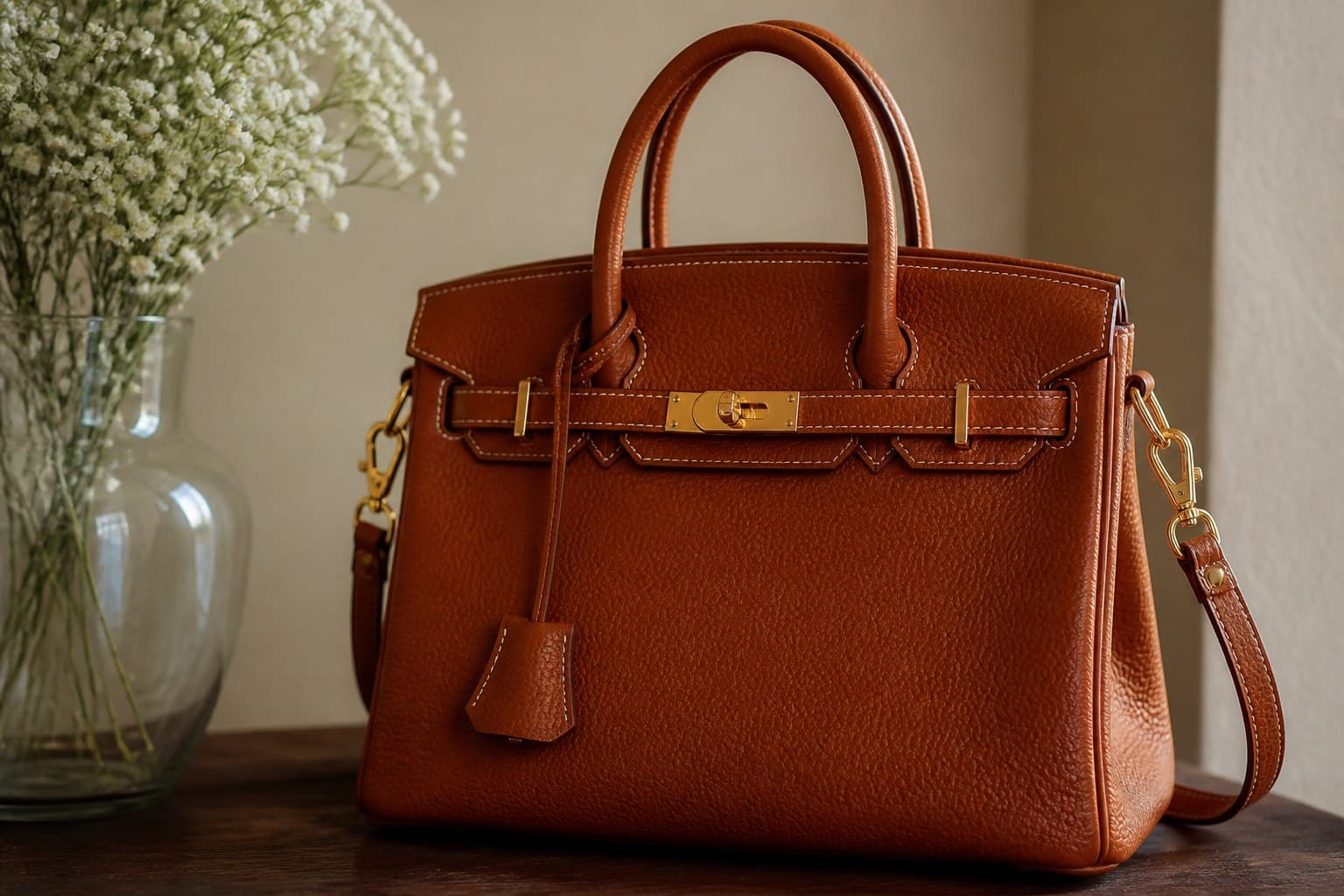
- Leather or canvas - Togo, Caviar, coated canvas, exotic hides. The same model in two materials is two markets.
- Hardware - gold, palladium, ruthenium, aged silver. Colour and finish move the price on their own.
- Production year - date codes, blind stamps or heat stamps, read from the spot that house uses.
- Inclusions - box, dust bag, clochette, lock and keys, authenticity card. A complete set is worth more than a lone bag.
Read the date code or blind stamp
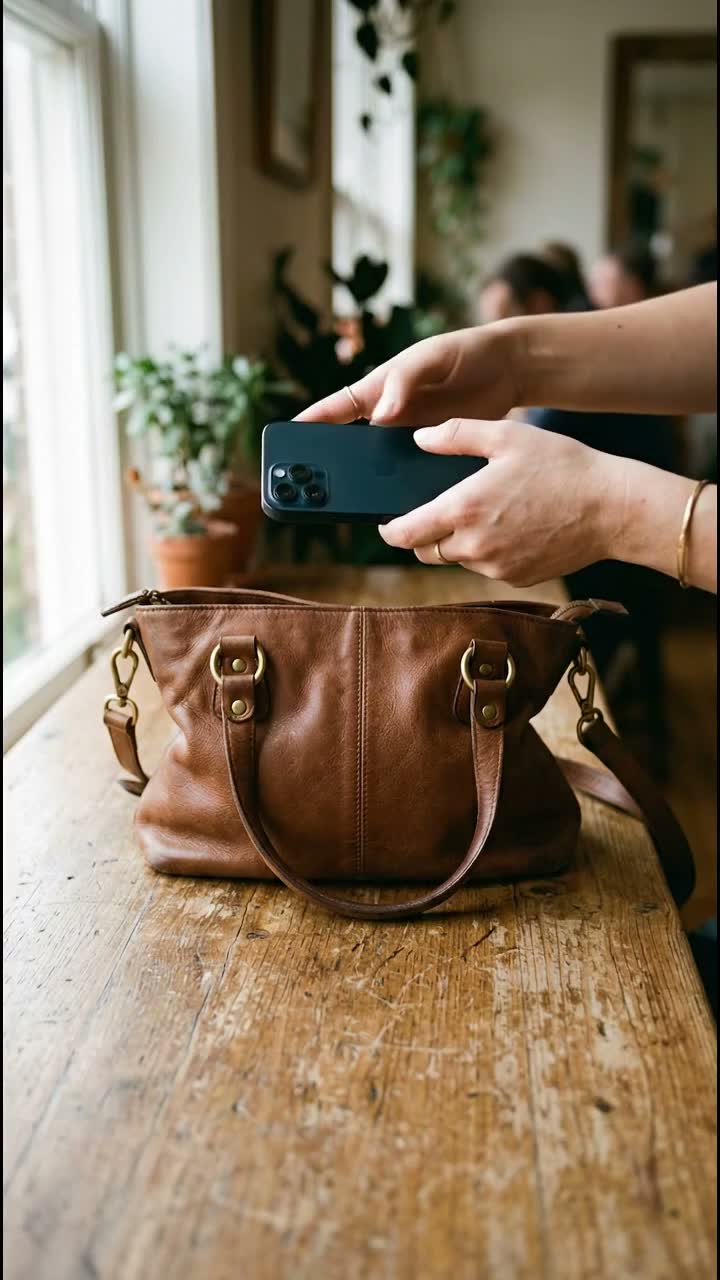
Houses date bags in different places: a heat stamp in the leather, a code in the lining, a blind stamp under a strap. Photograph that mark in good light and decode the year. Two otherwise identical bags from different years can sit far apart, especially on models where hardware or leather recipes changed.
Keep the raw stamp in your notes even when you already know the year. Buyers and later-you will want the string, not just the decoded date.
Grade the bag the way a buyer will
Condition is the second multiplier, and owners usually overestimate it. Look at corners, glazing, hardware plating, lining stains, odour and strap drop. A bag described one step too kindly is the usual reason a sale falls through.
- Unused with tags or shop wrapping - the realistic ceiling, and rarer than listings claim.
- Excellent - light signs of a careful owner, hardware still bright, structure intact.
- Very good - honest wear at corners or the base, still a daily bag.
- Good - visible scuffs, darkened glazing or tired lining. Priced as a user, not a trophy.
Price against completed sales
An open listing tells you what one seller hopes to get. A completed sale tells you what somebody paid. Look at several recent sales of the same model, size, leather, hardware and year in the same condition, discard the outliers, and take the middle. Scarcity and demand are different: plenty of dated models are hard to find and still cheap, because few people want them this year.
Doing this for a whole closet
The checks above take a few minutes per bag, which is fine for one and slow for twenty. Photograph the bag in samla.ai and a two-stage analysis identifies it, reads brand, model, leather, hardware and date marks, and returns a market estimate with comparable listings. Every field stays editable, so when you can see a stamp the camera softens, you correct it and the item keeps your version. File each bag where it physically lives - closet, shelf, box.
FAQ
What is my handbag worth?
Most bags sell for less than they cost new. A few hold. The difference is the exact model and size, the year, the leather and hardware, the condition, and what recent buyers paid for the same bag.
How do I find out what a designer bag is worth?
Name the model and size, read the date code or blind stamp, note leather and hardware, grade the bag honestly, then look at several completed sales of that combination. Ignore asking prices while you identify.
Does the date code change the price?
Often. Hardware and leather recipes change, and collectors pay for specific years on some models. Keep the raw stamp in your notes even after you decode the year.
Should I use asking prices or sold prices?
An open listing is a hope. A completed sale is the market. Those two numbers can sit far apart on the same bag. Price against sold copies.
How do I value a whole handbag collection?
The same checks, per bag. Photograph the bag in samla.ai: it identifies the model, reads the details that decide value, and returns a market estimate with comparables. File each one to the closet or shelf where it lives.