
What are you actually proving?
You are matching this bag to a known production of that model, year and material. Heat stamps, date codes, hardware hallmarks and construction details are the evidence. A dust bag and a receipt help, but they travel separately from the bag and get reused. The bag has to stand on its own marks.
Where do you look first?
- Heat stamp or logo stamp - depth, spacing, font and placement for that house and year.
- Date code, blind stamp or heat date - location, format and whether it matches the era of the hardware.
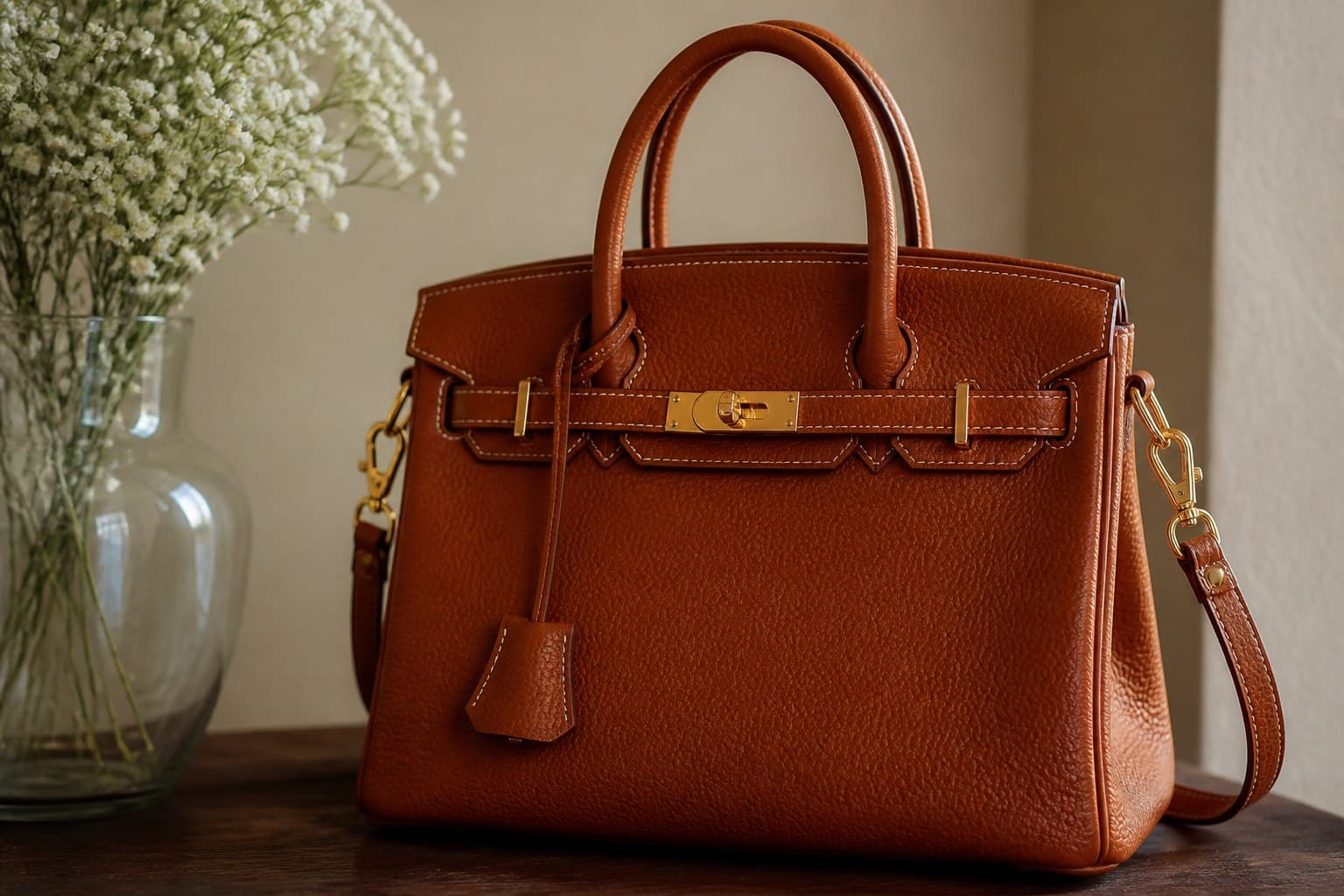
- Hardware - weight, plating colour, engraving sharpness, clasp action.
- Stitching - even length, correct thread colour, no loose ends on edges that should be finished.
- Lining and interior stamps - print quality, smell, and whether the interior matches that model year.
- Inclusions - box type, dust-bag print, clochette, lock font. Supportive, never decisive on their own.
How do date marks help?
Each house has a format and a hiding place, and both change. Copy the mark character by character, including spacing. Then check that the decoded year agrees with the hardware style and leather of that era. A beautiful stamp on a bag whose clasp belongs to another decade is a problem, not a story.
What if you still cannot tell?
Say so. A provisional note with photos beats a confident wrong pass. Look up mode in samla.ai lets you photograph a bag and read model and stamp cues without filing it - useful in a shop when you only need an answer the same afternoon. If you later get a third opinion you trust, edit the fields; they stay yours.
How does a photo help on a whole closet?
Doing this by hand for one bag is fine. Doing it for a closet is slow. Photograph the exterior, the stamp and the hardware; samla.ai reads brand, model, leather, hardware and date marks, and returns a market estimate with comparables. Correct anything soft, then file the bag to the closet, shelf or box where it lives.