
Make sure you are comparing the same release
Match the model, style code, colourway, size and production period with a reliable reference. Different releases and factories can produce legitimate differences. Compare the shoes with each other and with the box, if included.
- Photograph size tags, box label, stitching, logos and soles.
- Check that the style code and colourway correspond to the claimed release.
- Look at materials, shape and construction alongside a trusted reference.
- Ask for purchase information and record the seller’s explanation of anything unusual.
Avoid the one-clue verdict
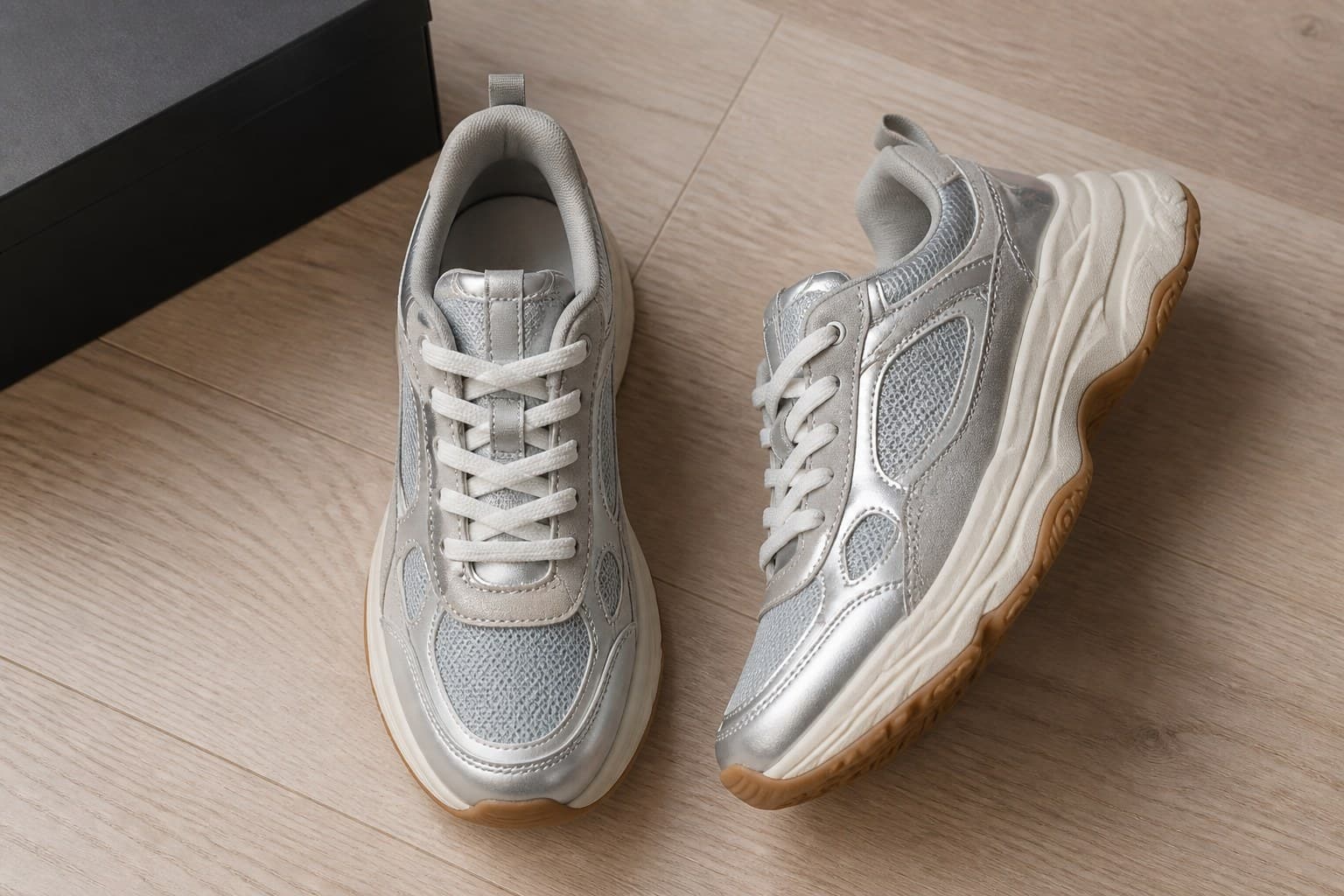
A mismatched code is a reason to investigate further. It may indicate a wrong box, a reading error or a more serious problem. Visible glue or a stitching flaw also does not prove a counterfeit: genuine shoes can have manufacturing flaws.
A correct code is not proof of authenticity either. Labels and packaging can be copied. If the answer matters to a purchase or sale, use an experienced authentication service and check whether it requires physical inspection.
Keep the evidence together
Save detailed photos, receipts and your research in samla.ai. Review the suggested model identification and label uncertain points clearly. A useful catalog records what you know and what still needs another pair of eyes.
Does a matching style code prove authenticity?
No. It helps identify the claimed release, but codes and labels can be copied.
Does excess glue mean the shoes are fake?
No. Genuine shoes may have manufacturing flaws. Consider several details and seek an expert assessment when needed.