
Why does selling stall between shelf and listing?
Most selling intentions die in the gap between "I should sell this" and a live listing: photos to take, a description to write, prices to research, forms to fill. A cataloged item already carried that homework - so publishing is checking a draft, not starting from a blank page. For the short product story of that leap, see From shelf to sold: listing an item in two taps.
What should be true before you publish?
- Correct pressing and edition - buyers on Discogs search the exact release.
- Honest media and sleeve grades as separate lines.
- Photos of sleeve, labels and any inserts that prove completeness.
- A market estimate checked against comparable completed sales.
- Your asking price adjusted for condition, completeness and how fast you want it gone.
Which marketplace should a record use?
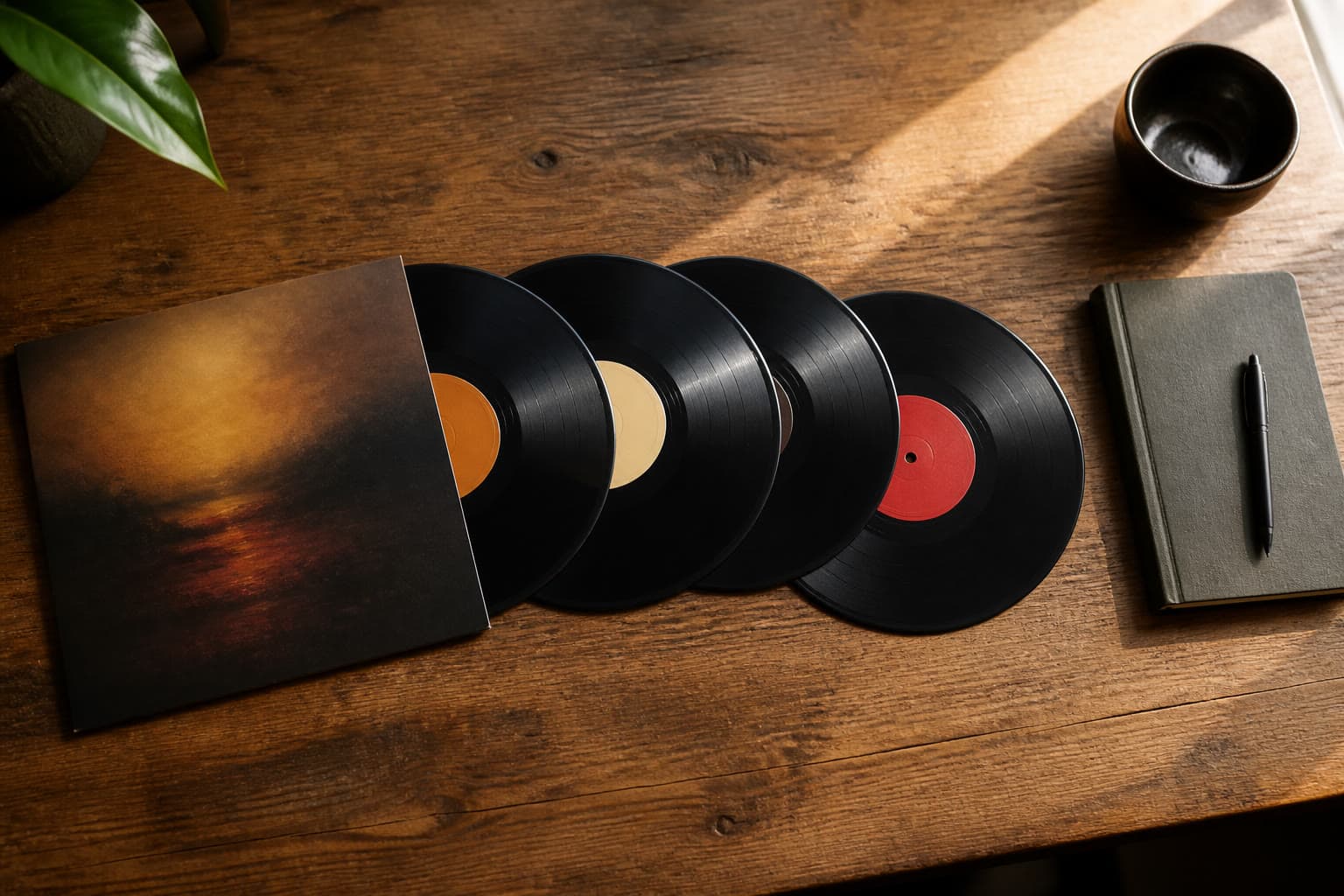
Follow the item. Records belong on Discogs, where the listing can land against the exact pressing collectors search for. eBay covers a wide set of categories and countries. In samla.ai, publishing to Discogs and eBay is a Pro and Ultra feature, and which marketplaces you see depends on your country.
How does publishing work from a cataloged item?
Open the record you already scanned. Publish in a few guided steps: the draft listing text is built from photos, details and your notes; you review words and price before anything goes live. Records land on Discogs against the exact pressing when that path is available. Listings can end automatically when the item leaves your collection - so the catalog stays aligned with what is still on the shelf.
How should you set the asking price?
Treat the market estimate as the anchor, then adjust for what the estimate cannot feel in your hands: exact play-wear, seam splits, missing inserts, and how quickly you want the copy gone. Prefer completed sales of the same pressing and grade over open asks. If comps are thin, say so in the listing and price with a clear grade story instead of inventing certainty.
What about Free vs Pro vs Ultra?
You can catalog and look up on Free within plan limits. Publishing to Discogs and eBay requires Pro or Ultra. Ultra raises limits further for larger shelves. Exact scan and item caps live on the pricing page - this guide only claims what the product states: Free / Pro / Ultra, and marketplace publishing on the paid tiers.
What if the copy is not cataloged yet?
Scan it first. Identification, editable pressing fields, grades, places and a market estimate with comparable listings are what make the later publish step short. If you only need a quick read at a fair, use Look up mode without filing - then Add when the record is yours and ready for a listing path.
What belongs in the listing text?
Lead with pressing identity and grades. Mention matrix notes when they separate your copy from lookalikes. Call out seam splits, writing, warps and missing inserts in plain language. Buyers reward clarity; they punish surprises after payment.
Keep the tone factual. The market estimate anchors your ask; the photos and grade lines earn trust. If you used samla.ai to draft the listing, still read every sentence - you are the one who owns the copy and the grade.
What happens after it sells?
When the item leaves the collection, end the listing path so you do not show stock you no longer have. Update the place if a crate is now empty. Keep the sold record history only if it still helps you - the live shelf should match the live catalog.
FAQ
Why does selling stall between shelf and listing?
Most selling intentions die in the gap between "I should sell this" and a live listing: photos, description, prices, forms. A cataloged item already carried that homework, so publishing is checking a draft instead of starting from a blank page.
What should be true before you publish?
Correct pressing and edition, honest media and sleeve grades as separate lines, photos of sleeve, labels and inserts, a market estimate checked against comparable completed sales, and an asking price adjusted for condition and how fast you want it gone.
Which marketplace should a record use?
Follow the item. Records belong on Discogs against the exact pressing collectors search for. eBay covers a wide set of countries. Publishing to those marketplaces is a Pro and Ultra feature, and the menu depends on your country.
How does publishing work from a cataloged item?
Open the record you already scanned. The draft listing is built from photos, details and notes; you review words and price before anything goes live. Listings can end when the item leaves the collection, so the catalog stays aligned with the shelf.
What happens after it sells?
End the listing path so you do not show stock you no longer have. Update the place if a crate is now empty. Keep sold history only if it still helps you - the live shelf should match the live catalog.