Start inside the book
Collectors often mean the first printing of the first edition. Later printings can retain an earlier copyright date or similar wording, so check the title page, copyright page and physical details together.
- Record publisher, place of publication and dates.
- Copy the edition statement and number line exactly.
- Photograph the binding and dust-jacket flaps, including printed price and codes.
- Compare with a reliable bibliography or documented first printing of that title.
Learn the convention for this publisher
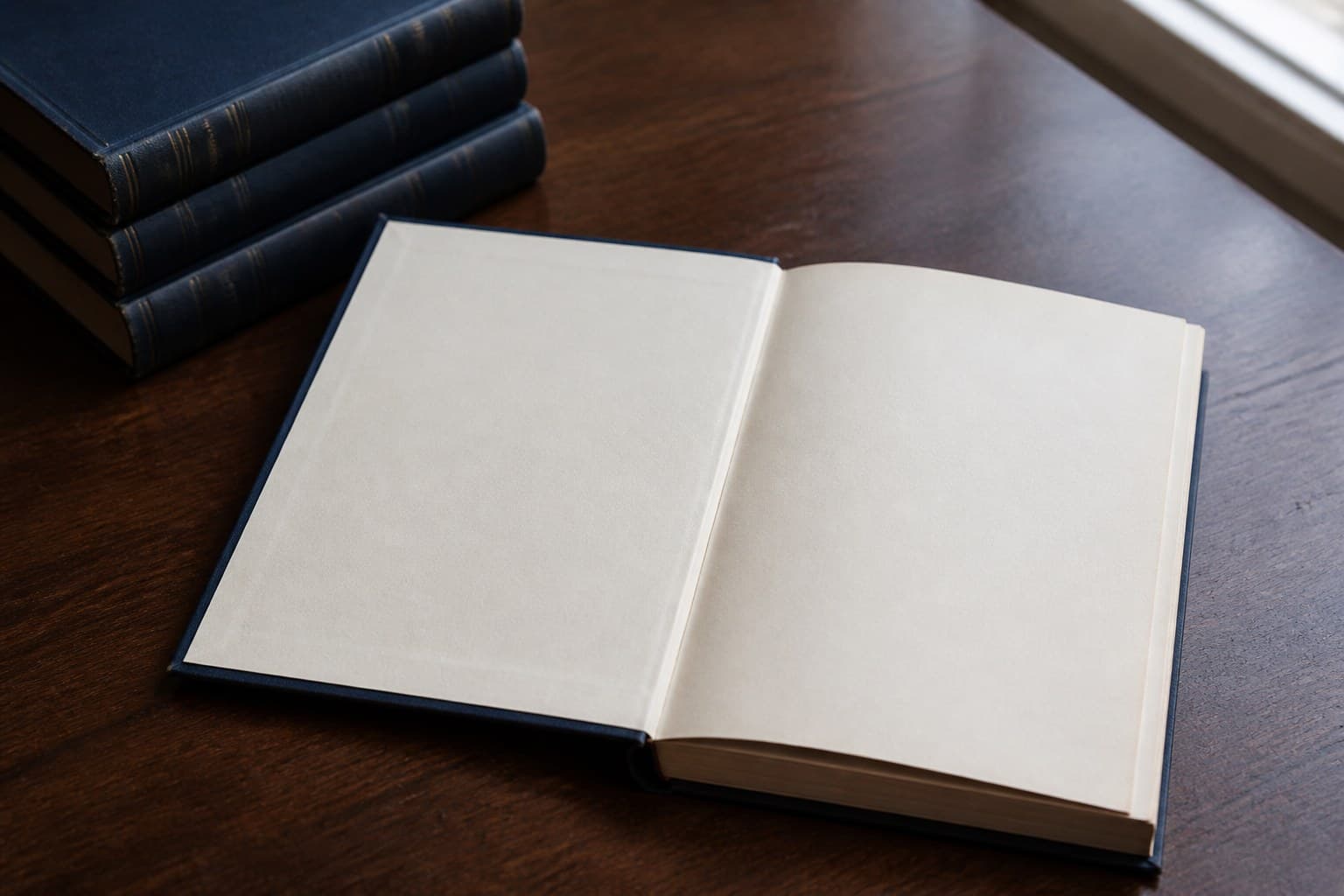
A number line containing 1 often indicates a first printing, but the rule is not universal. Some publishers use a different convention, letters or no number line at all. Copy the complete statement and check the practice for that publisher and period.
Book-club copies and later jackets can resemble the original issue. Missing prices, binding differences and jacket text are clues to compare, not a universal checklist that proves the answer.
Leave room for a better answer
Save the page photos and the reference you used in samla.ai. Review the suggested identification and keep any uncertainty in your notes. It is fine to write “printing not yet confirmed”. That is a more useful finding than a guess dressed as a fact.
Does a copyright date prove a first printing?
No. Later printings often retain the original copyright date. Check the publisher’s conventions and other identifying details.
Does a 1 in the number line always settle it?
It is a useful clue for many publishers, but conventions vary by publisher and period.