
What should you photograph on each instrument?
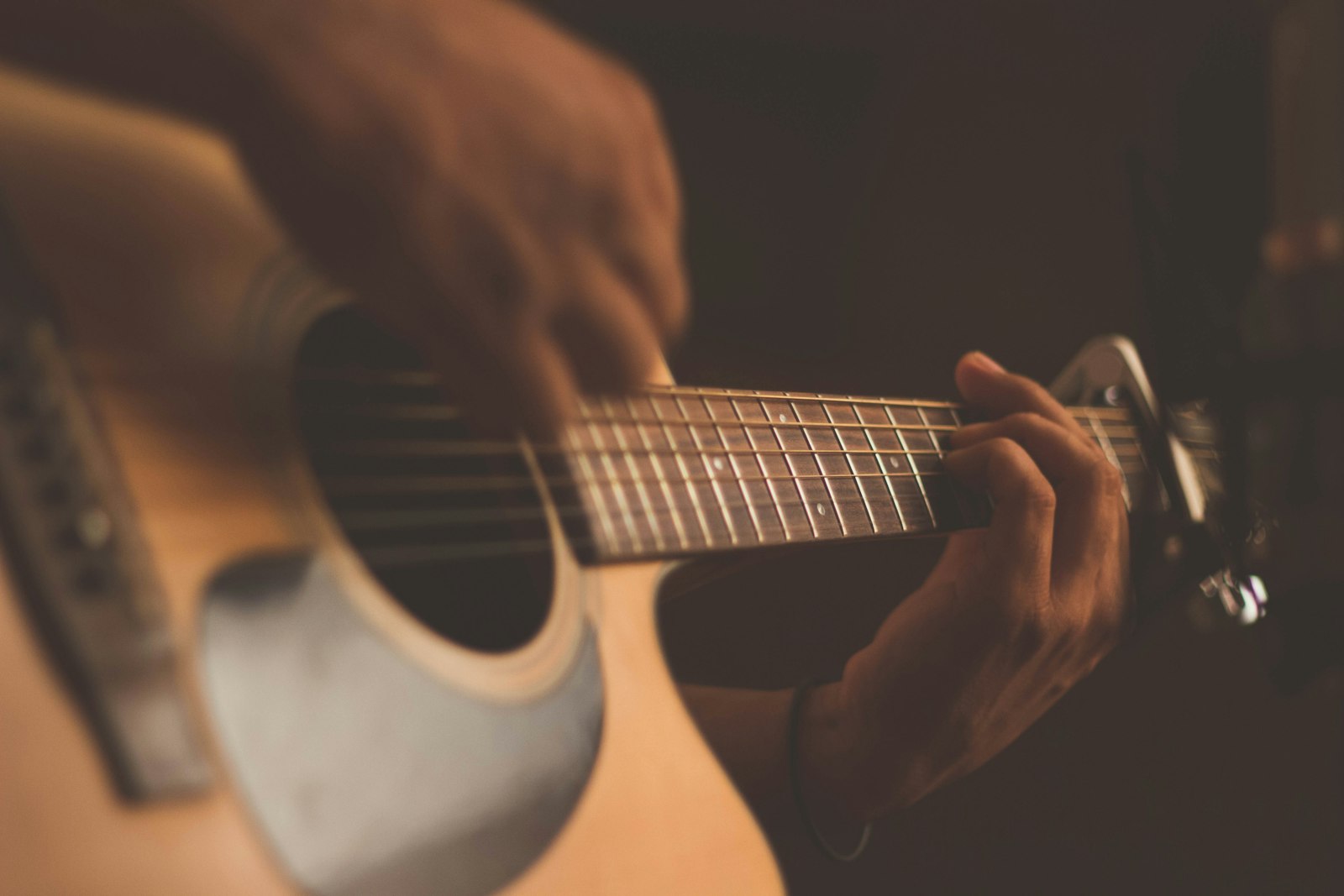
The whole instrument in daylight, then the headstock, the badge or the soundhole label, then the serial number close enough to read. Open Add in samla.ai, the AI app for cataloging collections, and keep the camera on. The AI names a guitar, a violin or an amp when the picture is clear. Add a note for what the photo cannot say: "refinished in 2014", "replaced tuners", "bow is a later addition".
Set the place while you scan: the case, the stand, the rehearsal room. Photograph the case lid as a place photo so every location chip in the app wears that picture. Cases, amps, cables and spare bridges are easier to find when they are items of their own, linked by a note to the instrument they belong with.
What stays private when you share a piece?
A public item page is free on every plan and is off by default. Identifying numbers stay off that page. Share the guitar when you want a friend to see it. Keep the serial in the private catalog, which is where an insurer and a police report will want it.
- Serial, date code and any registration number - private
- Maker, model and a clear photo - fine to share
- What you paid, if you entered it - stays on your item
- The place in the house - yours unless you choose to mention it
What does an insurer actually want?
A photo, a description, a serial and a sense of value. That is the same list a home claim asks for on any object. Walk the rehearsal room once, then export a PDF if you have Pro or Ultra. Values in the app stay estimates for informational purposes, never professional appraisals. A handmade instrument or a vintage amp is worth a specialist valuation before you set a scheduled rider.
FAQ
Will a shared page leak the serial number?
Public pages keep identifying numbers off the page. The serial stays in your private catalog.
Can I catalog a whole band's backline together?
Yes. Family sharing puts the same collection on each phone, on Pro and Ultra. A public item page is the free way to send one amp.
What if the serial is worn off?
Photograph the worn area anyway, and add a note. A maker's badge and a unique ding are the next-best identifiers.