
Why do condition photos matter most for sneakers?
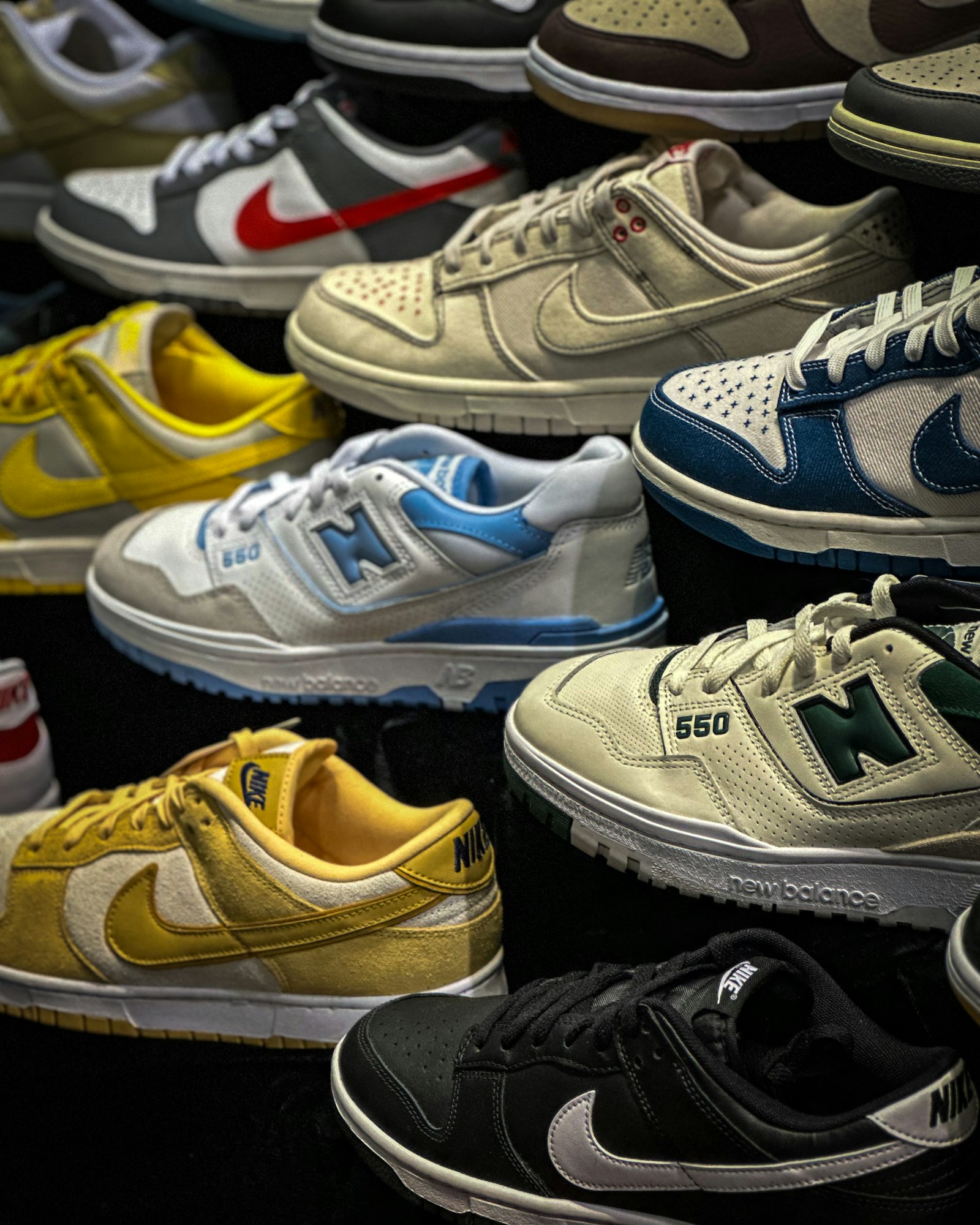
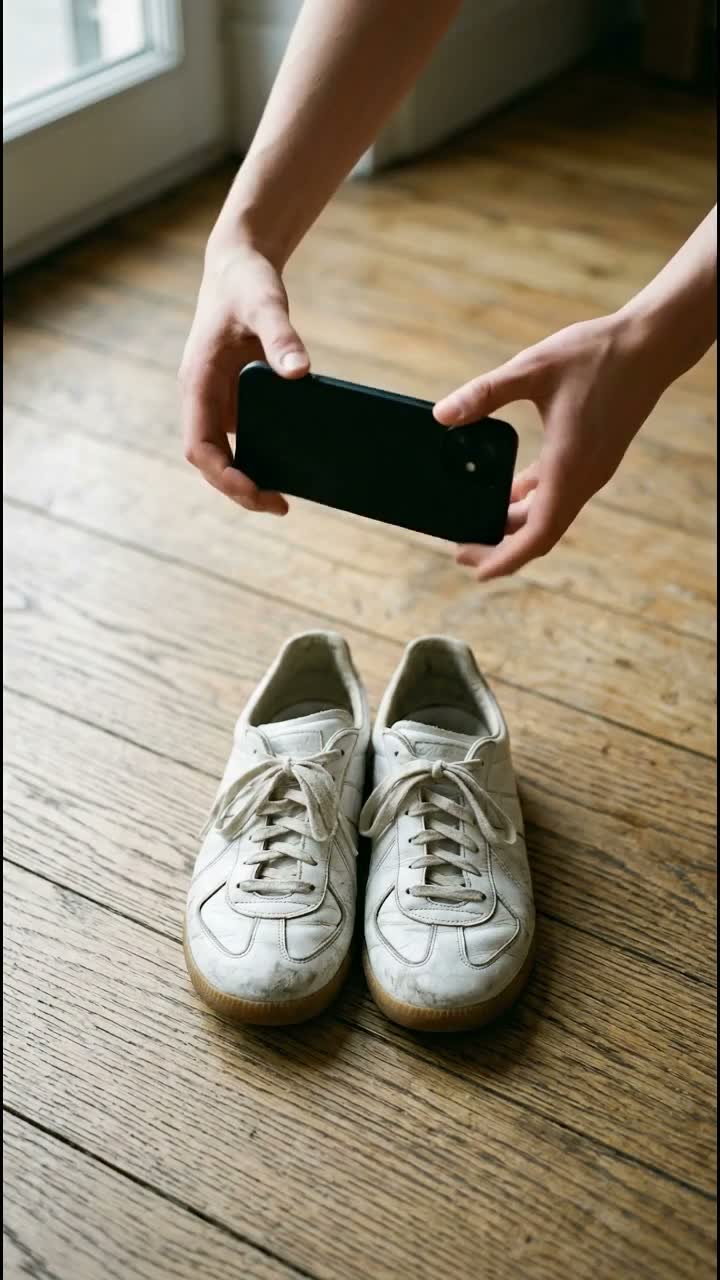
For sneakers, the photos carry the story: the toe box, the sole, the heel drag or the box-fresh gleam. Photograph each pair, note the size and colorway, and the catalog holds exactly the evidence a future buyer - or your future self - will want to see.
What should you record for each pair?
- Condition photos - toe box, sole, heel - They are the evidence of how the pair actually lives
- Size and colorway - The two facts every buyer asks about first
- Box, laces and extras - A boxed pair with everything intact tends to be valued higher than a loose one
- Your wear notes - 'Worn twice' means more with a date on it
What does a cataloged rotation let you do?
Once the pairs are in, the closet becomes sortable: by brand, by condition, by the ones that somehow never get worn anymore. And when you are weighing a pair in a store or at a meetup, Look up mode gives you an idea of what it is and what it roughly goes for, on the spot - it is part of the free plan.
What happens when a pair stops getting worn?
A cataloged pair is already listed-ready: photos taken, details filled in. Publish to eBay in a few guided steps or generate a classified ad - the AI drafts the listing text for you. Publishing is a Pro and Ultra feature, and which marketplaces you see depends on your country.
FAQ
Should I keep the boxes?
If you can spare the space, yes. An original box with its label supports the pair's story, and a boxed pair with laces and inserts intact tends to be valued higher when it sells. Photograph the box label along with the shoes, so the catalog holds the full package even if the box later goes.
How do I find out what a pair is worth right now?
Point Look up mode at it - part of the free plan - and you get an idea of what the pair is and what ones like it tend to go for. Treat the number as an estimate for informational purposes, never a professional appraisal: condition, size and timing move sneaker prices a lot.