
Why does a jewelry drawer stay unlisted for years?
Because opening it asks for a verdict you do not have on a Tuesday. Keep, gift, insure, sell - each piece wants a different answer, and the clasps all look the same in the dark. Photographing the drawer postpones the verdict until you can see the pieces as a list.
How do you photograph jewelry so the catalog is useful?
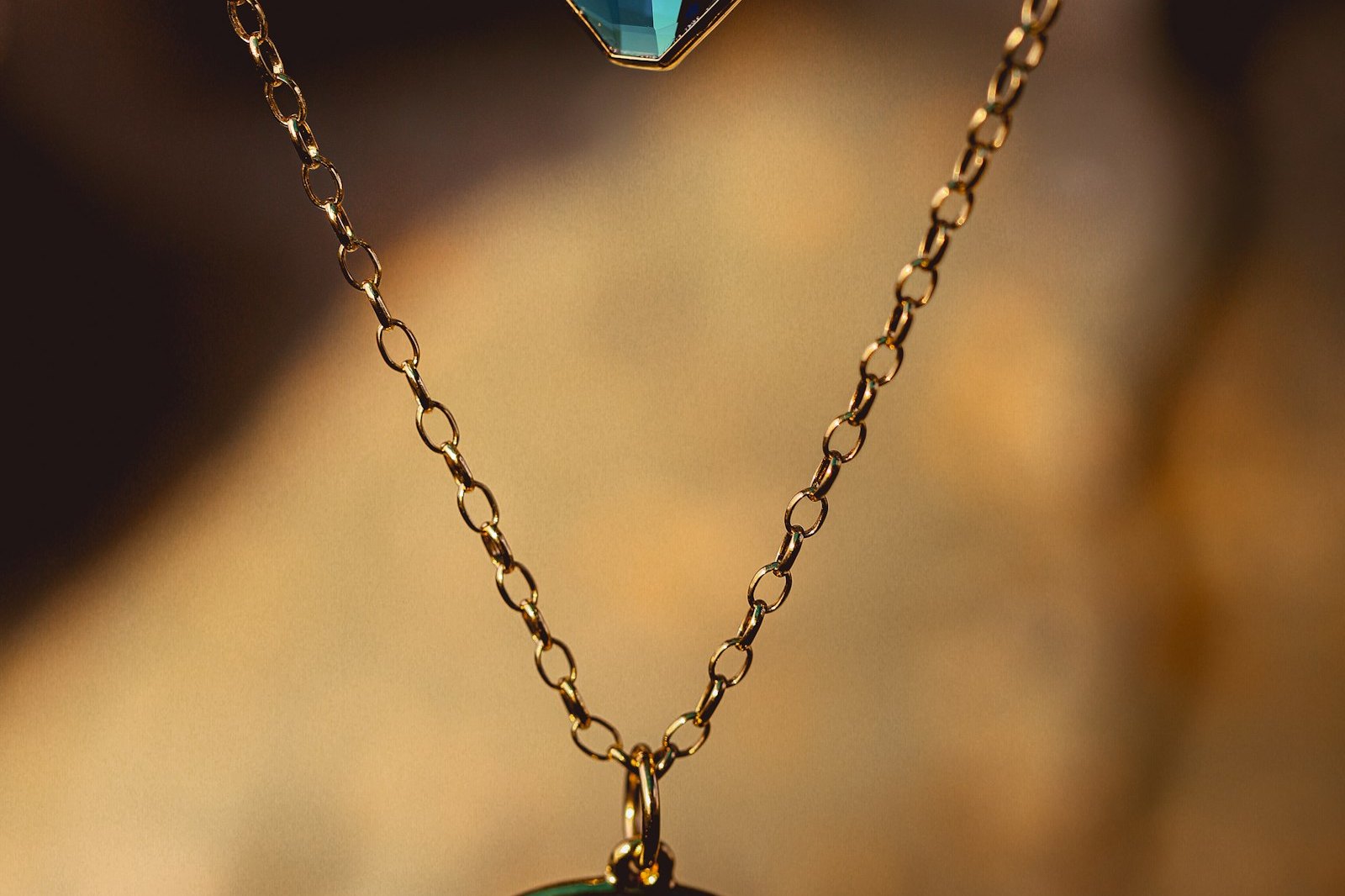
One piece, one shot, then a second if there is a hallmark or a maker's mark. Daylight on a white cloth beats a flash in the drawer. The app names what it can see - metal colour, stone, style - and files it under Jewelry & Watches. Give the drawer a place so "the wooden box in the bedroom" is stored, not remembered.
- Lay the piece flat. Capture the clasp, the stamp inside a ring, the back of a brooch.
- Add a note for the story you already know: wedding, grandmother, bought in Lisbon.
- Photograph pairs together, then each earring if one looks different.
- Costume and fine pieces can share the same catalog. The list is the point, not a purity test.
When a piece looks serious, the next step is a jeweler or an insurer with the catalog open. The estimate on the item is there to tell you which pieces deserve that appointment.
FAQ
Will the app tell me if a stone is real?
No, and it should not pretend to. It names what the photo shows and offers an estimate from comparable listings. A jeweler confirms materials.
Can I share one piece with the family without sharing the drawer?
Yes. Any item can be shared as its own public web page, off by default and revocable. The rest of the drawer stays private.
What do I do with the estimates?
Use them to sort: insure, keep, gift, sell. They are estimates for information, not a professional appraisal and not something to wave as a formal value.