
How normal is second-hand shopping now?
It is simply how people shop. In OfferUp's 2025 Recommerce Report, 93 percent of US shoppers said they bought at least one pre-owned item that year, and more than half sold something on. And the climate side has numbers too: the Second Hand Effect studies of Schibsted and Adevinta's marketplaces estimate that second-hand trade potentially saved 25.3 million tonnes of CO2e in 2019 - the emissions that would have come from making and disposing of those things new.
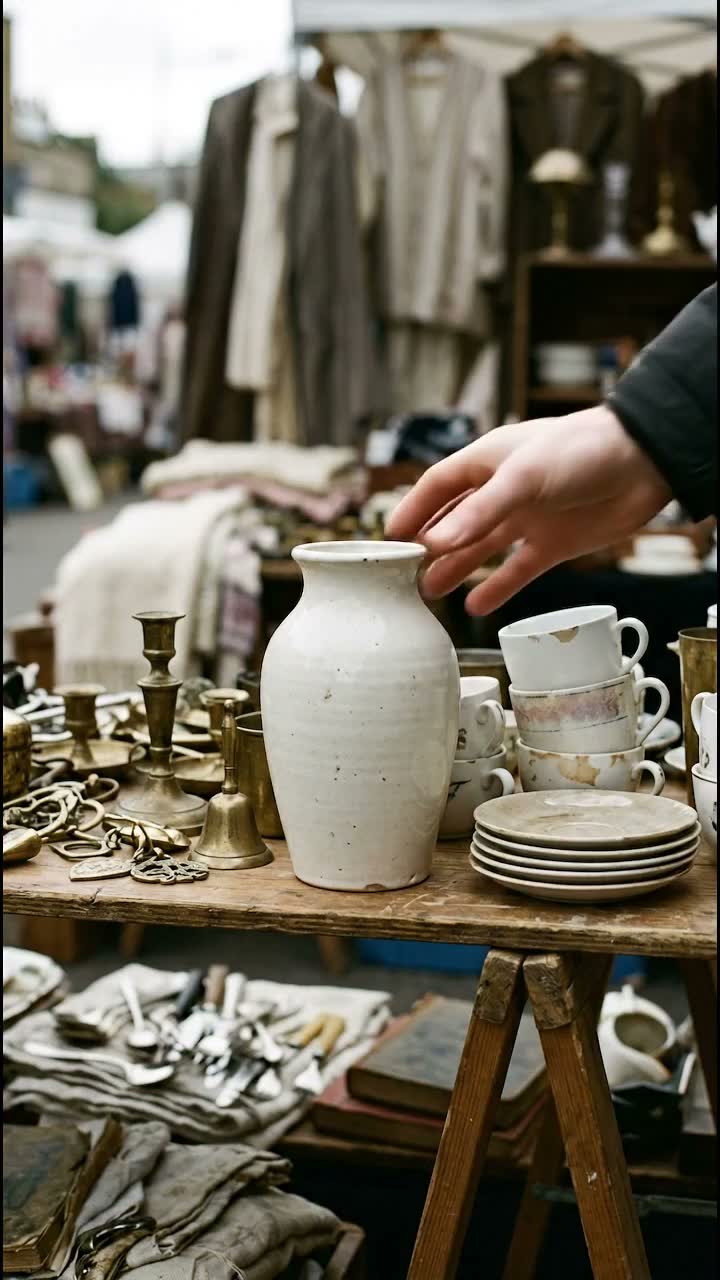
Why does reuse beat recycling?
Recycling melts a thing down and starts over. Reuse skips the factory entirely - the object just keeps being an object, in someone else's hands. Research on second-hand clothing in the Journal of Circular Economy (Klooster and colleagues, 2024) puts the climate impact at up to 42 percent lower per use than buying new. The same logic holds for cameras, bikes, records and kitchenware: every item that finds a second owner is one that never needs to be manufactured again.
Why do good things stay in drawers?
Mostly because nobody knows what they have. The camera fixes that: point it at a shelf, scan item by item, and samla.ai, the AI app for cataloging collections, recognizes what things are and estimates what they are worth. Suddenly the drawer full of maybe-useful is a list you can sort - and the things you have not touched in years become visible, priced and easy to let go of.
- Hobby gear you grew out of - the tennis racket era, the aquarium era
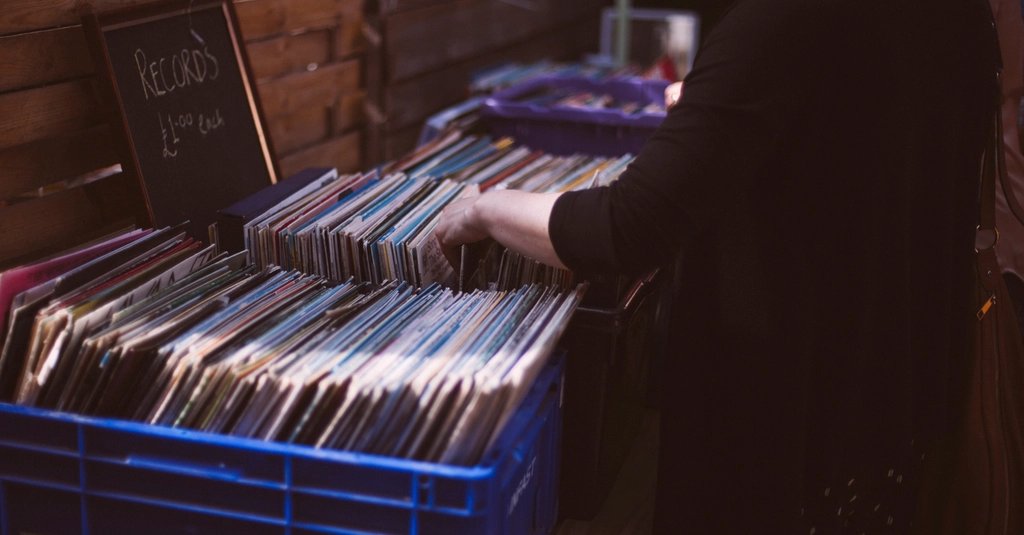
- Doubles on the record shelf and books you will honestly never reread
- Old phones, cameras and lenses in the technology drawer
- Kids' bikes, games and instruments that stopped fitting years ago
How do things actually move on?
Once an item is cataloged - photo taken, details filled in, value estimated - a listing is nearly free. Publish to Discogs, Tradera or eBay in a couple of taps, straight from the item you already scanned - records land on Discogs against the exact pressing (publishing is a Pro and Ultra feature). The gap between good intentions and a sold item gets very small.
FAQ
Is buying second-hand really better than recycling?
Both beat the bin, and they solve different problems. Recycling recovers material but spends energy melting, shredding and remaking; reuse keeps the finished object alive, so all the energy already invested in making it keeps paying off. The Journal of Circular Economy study's per-use framing captures it: the longer and more often an item is used, the greener it gets.
Does selling my old things actually make a climate difference?
The honest answer carries a hedge, and the researchers use it: emissions are 'potentially saved', because a second-hand sale only avoids a factory when it replaces a new purchase. That is exactly why the aggregate numbers - 25.3 million tonnes of CO2e in a year across two companies' marketplaces - are still remarkable: much of the time, it does.