
What decides a trading card's value?
- Set and card - Early sets and chase cards carry most of the weight
- Edition and print run - First editions and limited printings stand out
- Condition - Centering, edges and surface - graded cards trade in their own league
- Language and variants - Some printings are scarcer in some countries
Is trading card collecting still growing in 2026?
By the grading numbers, yes - sharply. GemRate, which tracks the published population reports of the major grading companies, counted 26.8 million cards graded in 2025, up 32 percent on 2024 and the most it has recorded in a single year, with Pokemon the biggest single category at more than 16.1 million cards. A busy grading market cuts both ways for a binder from the late nineties: the buyers are out there, and so is freshly graded supply.
How do you find out what is in your binder?
Scan a card and samla.ai recognizes it and files it with its set and details, ready for your condition notes. It is accurate most of the time on clear photos, and when the AI is unsure, it says so - the review queue keeps you in charge. Work through the binder page by page and a vague childhood memory becomes a catalog you can actually sort.
For the one suspicious shiny card, skip the queue: point Look up mode at it and get an idea of what it is and what it roughly goes for, on the spot. Look up mode is part of the free plan.
What do you do with the doubles?
Every binder has them, and doubles were made for selling. Once they are cataloged they are listed-ready: publish to eBay in a few guided steps or generate a classified ad, with the listing text drafted for you. Publishing is a Pro and Ultra feature, and which marketplaces you see depends on your country.
FAQ
Should I get my cards graded?
Only the ones that earn it. Grading costs money per card, so the usual path is: catalog the binder, sort by estimated value, and consider grading for the handful where condition could multiply the price. For everything else, good photos and honest condition notes do the job when selling.
Which old Pokemon cards tend to be worth the most?
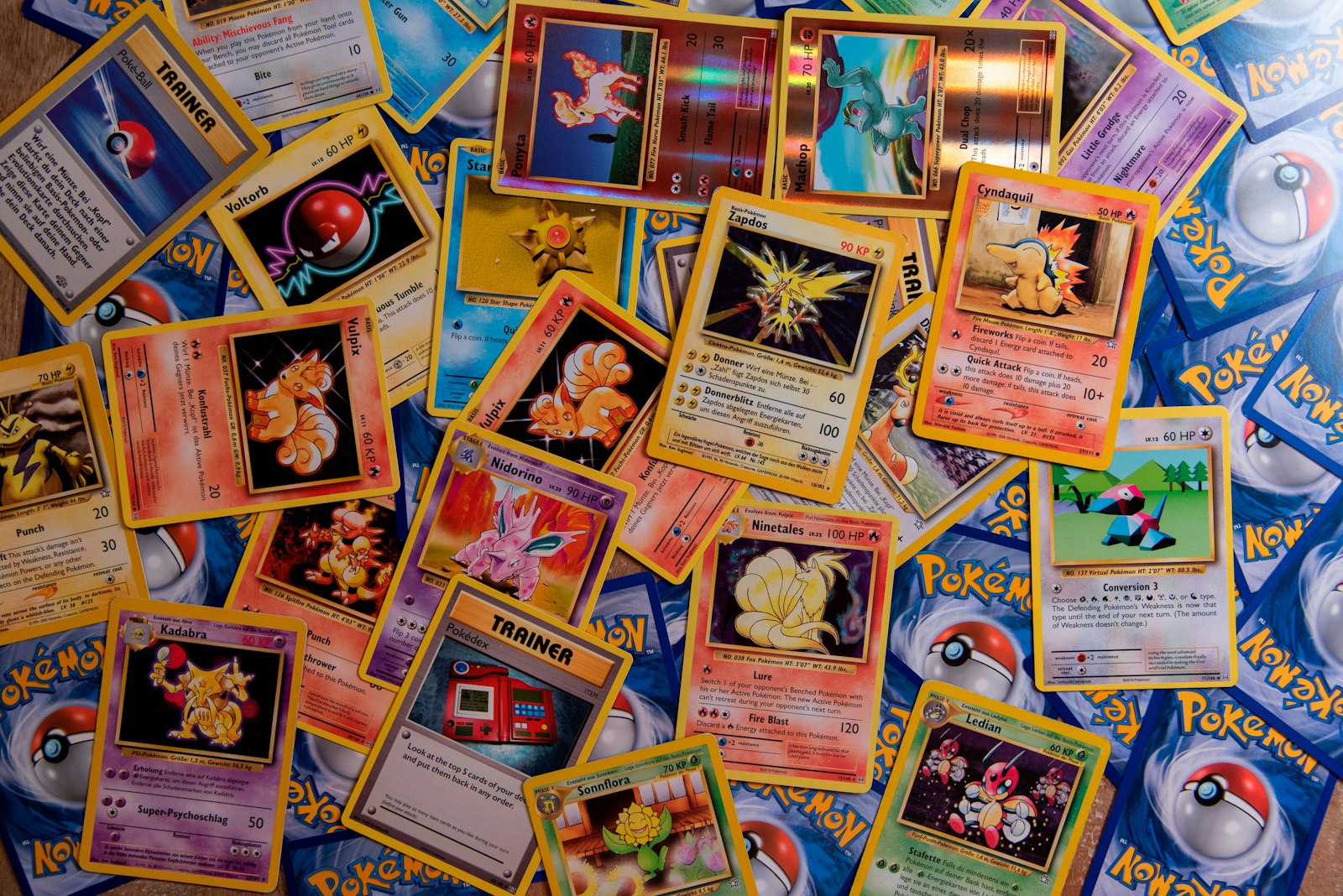
As a rule, the weight sits in the earliest sets and their first editions, in holographic chase cards, and in copies kept in genuinely good condition. Language and print variants matter too - some printings are scarcer in some countries. That is exactly why cataloging beats guessing: the pattern only shows once the whole binder is listed.
Does samla.ai tell me the exact market price?
It shows an estimated value based on what comparable cards tend to go for - an estimate for informational purposes, never a professional appraisal. For a card that might be genuinely valuable, check recent sold listings and consider a grading company or specialist dealer before setting a price.